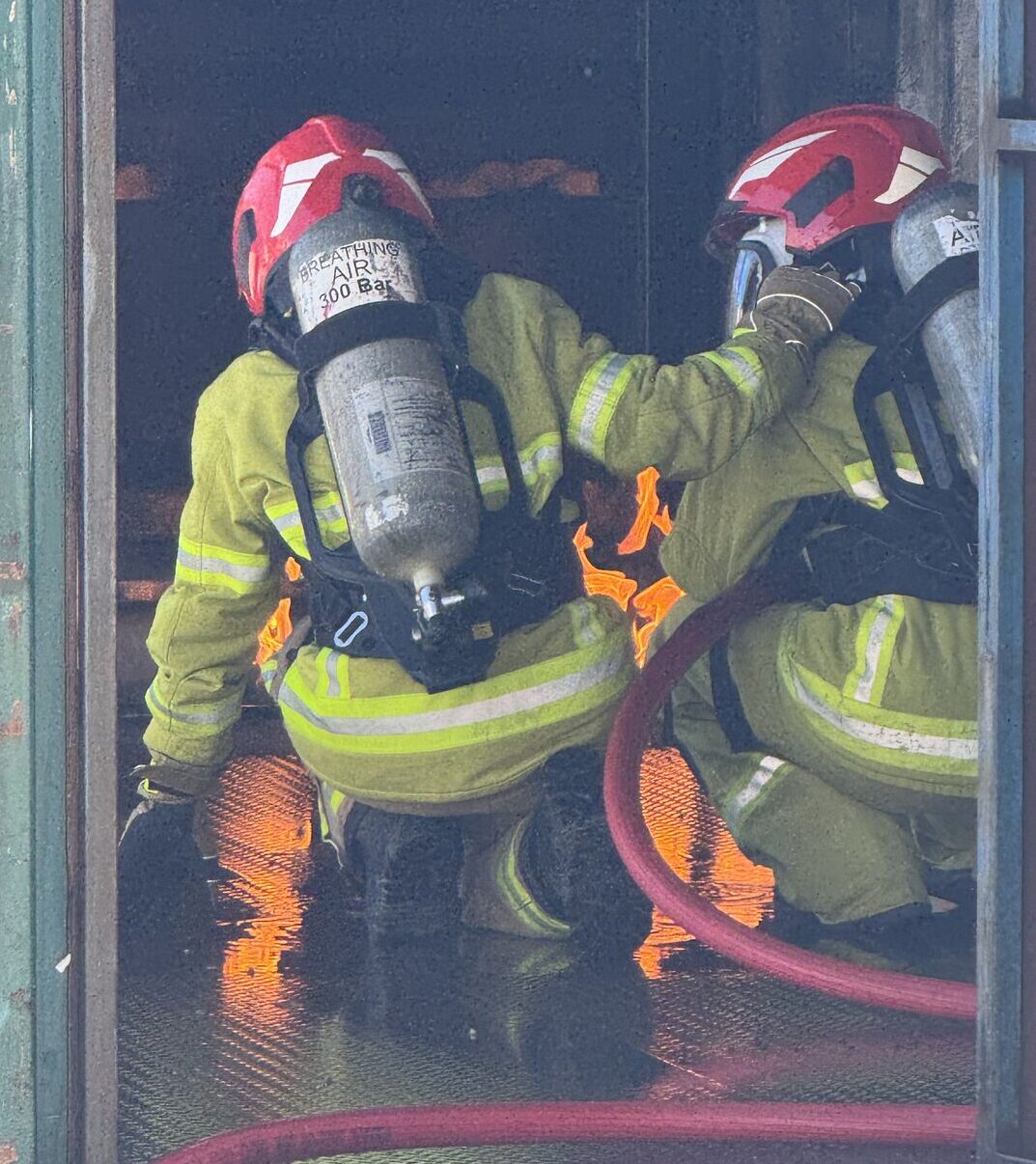
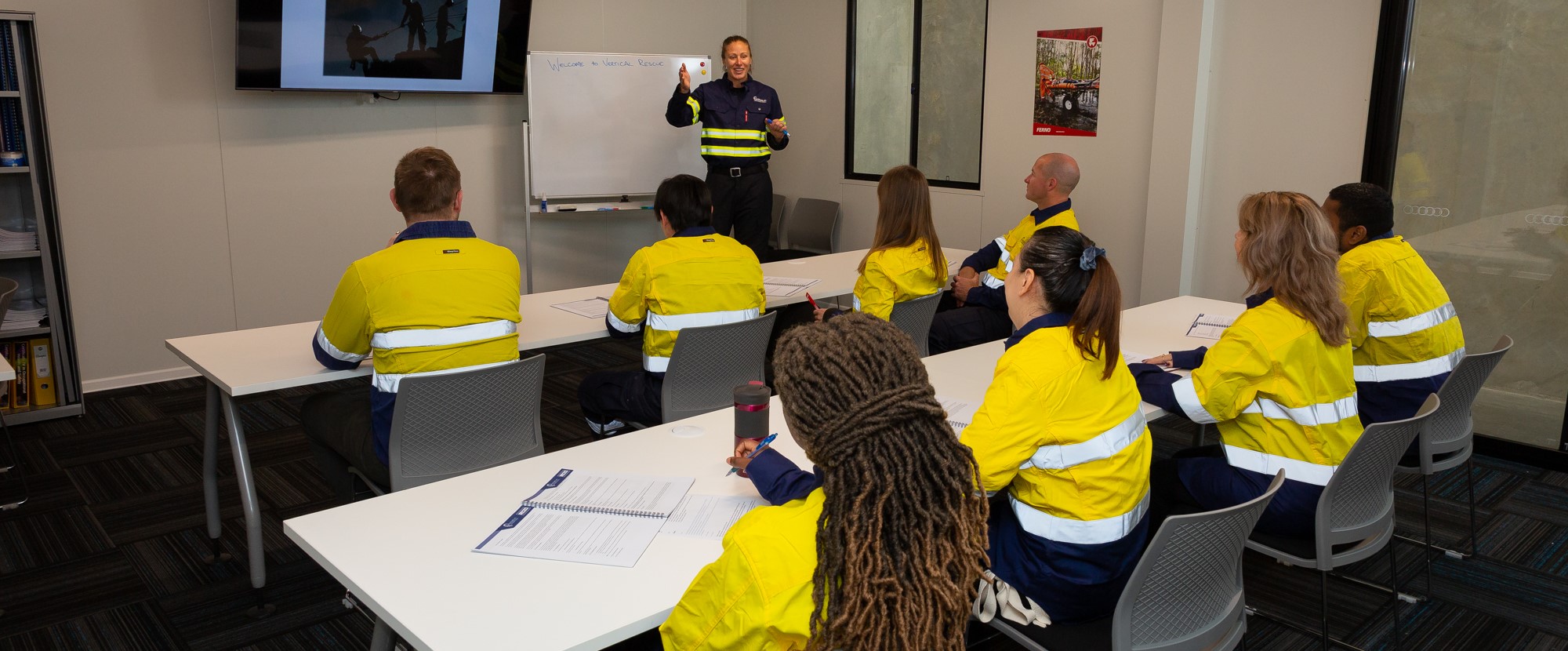
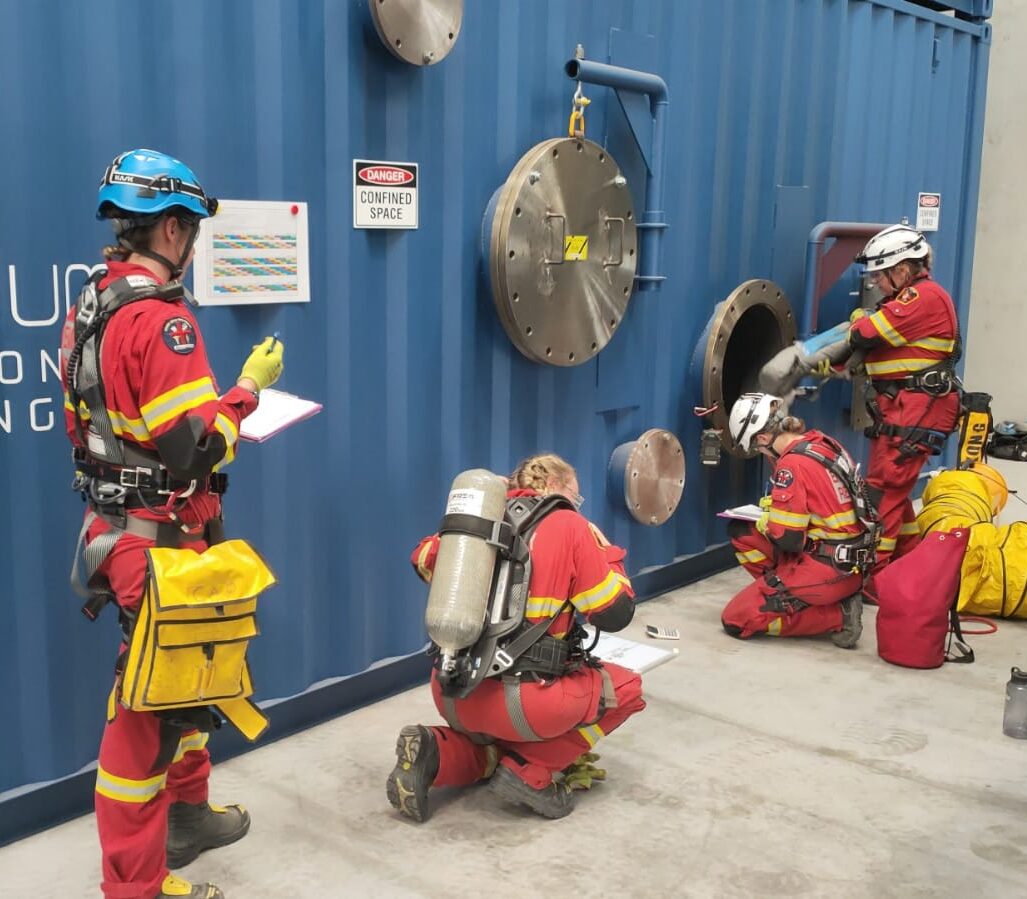
This course is comprised of three nationally recognised units of competency, which are delivered and assessed in sequence to satisfy pre-requisite requirements. PUAFIR203 Respond to urban fire This unit of competency involves the skills and knowledge required to respond to an urban fire where offensive and defensive strategies are used. The unit applies to firefighting personnel who work as a member of a team, under direct supervision. Work at this level is undertaken under direct supervision, and with instruction. Proceed to fire. Prepare extinguishing media and/or equipment for use. Enter the structure. Conduct search and rescue. Combat fires. Observe and react to changes in conditions and behaviour. Participate in ancillary operations. Conclude firefighting operations. RIIERR201E Conduct fire team operations This unit of competency describes the skills and knowledge required to conduct fire team operations, including fighting and containing fires. This unit applies to those working in site-based roles in the coal mining, metalliferous mining, drilling, extractive, and civil infrastructure environments. Prepare for fire team operations. Fight to contain fire. Complete fire team operations. Audit firefighting installations. RIIERR302E Respond to local emergencies and incidents This unit describes the skills and knowledge required to respond to a range of local emergencies and incidents. It includes implementing response plans, monitoring the situation, taking necessary precautionary measures, and supporting formal relief. This unit applies to those working in site-based roles in the coal mining, metalliferous mining, drilling, extractive, and civil infrastructure environments. Prepare to respond to a local emergency or incident. Respond to a local emergency or incident. Support formal relief and debrief. Upon successful completion of this course, students will have developed the skills and knowledge required to safely and effectively respond to urban fires, conduct fire team operations, and manage local emergencies and incidents in relevant site-based environments. Career Pathways Career opportunities following completion of this training include roles as firefighter recruits, emergency response team members, workplace safety officers, and rescue operations specialists in industries such as fire services, mining, industrial operations, and emergency management. Study Pathways After completing this training, students can progress to higher-level qualifications such as the RII30719 Certificate III in Emergency Response & Rescue.